

A bathroom renovation in Toronto typically costs between $15,000 and $30,000 for a complete, mid-range renovation. Smaller cosmetic updates may cost considerably less, while larger bathrooms with custom features and premium materials can reach $50,000 or more.
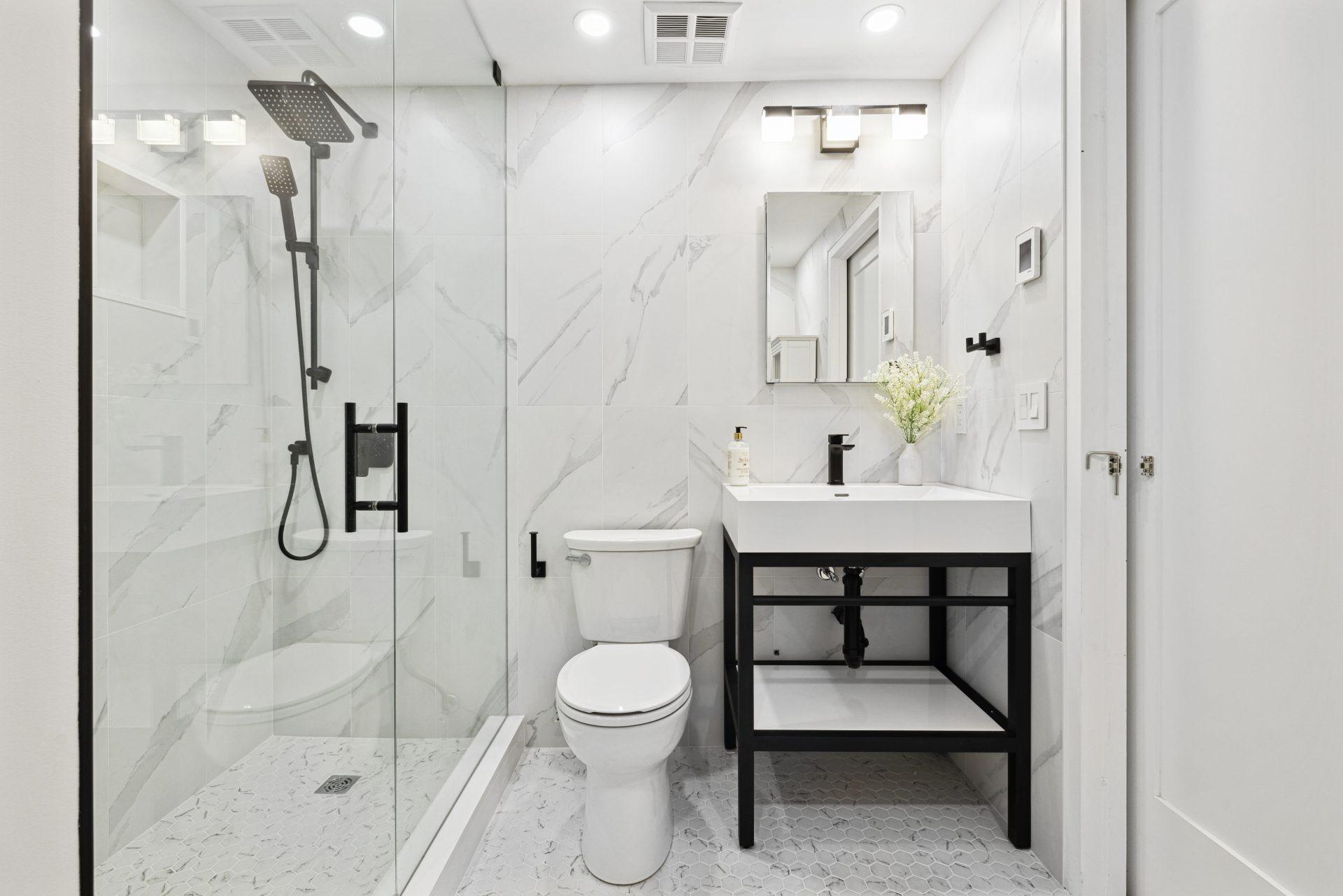
These figures are general 2026 Toronto market estimates, not fixed contractor prices. Your bathroom renovation cost will depend on the size of the space, its existing condition, the materials you choose, and whether you plan to change the layout.
Whether you’re updating a family bathroom, renovating a condo, or creating a more comfortable primary ensuite, a thoughtful budget helps you make decisions with confidence.
The goal isn’t simply to find the lowest price. It’s to understand what goes into a well-executed bathroom renovation and invest in a space that feels beautiful, practical, and comfortable for years to come.
Key Takeaways
- A typical bathroom renovation in Toronto costs approximately $15,000 to $30,000, although the scope can move the price outside that range.
- A small powder room refresh may cost around $3,000 to $8,000, while a full renovation of that space can cost more.
- Plumbing relocation, custom showers, premium fixtures, and extensive tilework can significantly increase bathroom costs.
- Labour costs, waterproofing, plumbing, and electrical work are important parts of your renovation budget.
- Condo bathroom renovations may require building management approval and additional coordination.
- Setting aside a 10% to 20% contingency can help you prepare for unexpected conditions.
- A detailed quote gives you a more reliable budget than an average cost per square foot.
Average Bathroom Renovation Costs in Toronto
The average bathroom renovation cost varies depending on how much of the existing space you plan to change.
Replacing a vanity and refreshing the finishes is a different project from removing everything down to the framing and creating a new bathroom layout.
Here are some general planning ranges for Toronto homeowners.
Small Powder Room or Half Bath: $3,000 to $15,000+
A small powder room typically contains a sink and toilet, without a shower or bathtub.
A cosmetic refresh costing roughly $3,000 to $8,000 may include painting, new fixtures, updated lighting, a mirror, or a stock vanity.
A more extensive half bath renovation involving new ceramic tile, custom cabinetry, plumbing changes, or detailed finishes can cost $8,000 to $15,000 or more.
Because these rooms are compact, thoughtful design choices can have a noticeable impact. A well-placed vanity, welcoming lighting, and coordinated finishes can make even a small bathroom feel more inviting.
Standard Bathroom Renovation: $15,000 to $30,000
For many Toronto homeowners, this is a useful starting range when planning a complete bathroom renovation.
A typical bathroom renovation project might include:
- Removing existing fixtures, tile, and cabinetry.
- Installing a new bathtub or shower.
- Replacing the vanity, sink, and toilet.
- Updating shower walls and bathroom flooring.
- Installing new lighting, mirrors, and accessories.
- Completing waterproofing and finishing work.
Some smaller mid-range renovations with limited changes may fall between $10,000 and $22,000. However, once extensive tilework, plumbing, electrical upgrades, and professional installation are included, the overall cost can be higher.
Keeping your existing layout is often one of the most practical ways to manage your bathroom budget.
Luxury Bathroom or Primary Ensuite: $30,000 to $50,000+
A larger primary bathroom, sometimes called a master bathroom, offers more opportunities for personalized design.
Luxury renovations may include a freestanding tub, a separate shower, custom vanities, premium fixtures, heated flooring, and natural stone.
Some homeowners choose a spacious walk-in shower with a glass enclosure, while others prefer a separate tub and shower for added comfort.
A curbless shower, which has a nearly level entrance rather than a raised threshold, can create a clean, open appearance. However, the floor structure, slope, waterproofing, and shower drain must all be carefully planned.
These custom features can make the space more enjoyable, but they also increase design complexity, material costs, and installation time.
For homeowners considering a complete transformation, understanding the scope of bathroom renovations in Toronto can help put the different construction and design stages into perspective.
How Much Do Bathroom Renovations Cost Per Square Foot?
Bathroom renovation costs are sometimes estimated at approximately $200 to $600 per square foot, although detailed renovations of small bathrooms can exceed that range.
Per-square-foot pricing, sometimes written as per sq ft, can be useful for early budgeting. However, bathrooms are particularly difficult to estimate using floor area alone.
A small bathroom may need nearly the same number of plumbing fixtures and skilled trades as a larger one.
For example, a 40-square-foot bathroom renovated at $500 per square foot would have a preliminary construction budget of $20,000.
But that doesn’t mean every 40-square-foot bathroom will cost the same amount.
The number of fixtures, wall tile coverage, shower design, and existing plumbing conditions can all change the final price.
It’s also important to distinguish the square footage of the bathroom floor from the total surface area being tiled. Shower walls can add considerably more tile area than the floor alone.
When planning your renovation, use cost per square foot as a general comparison tool rather than a substitute for a detailed estimate.
What Affects Bathroom Renovation Costs the Most?
Two bathrooms with similar dimensions can have very different budgets.
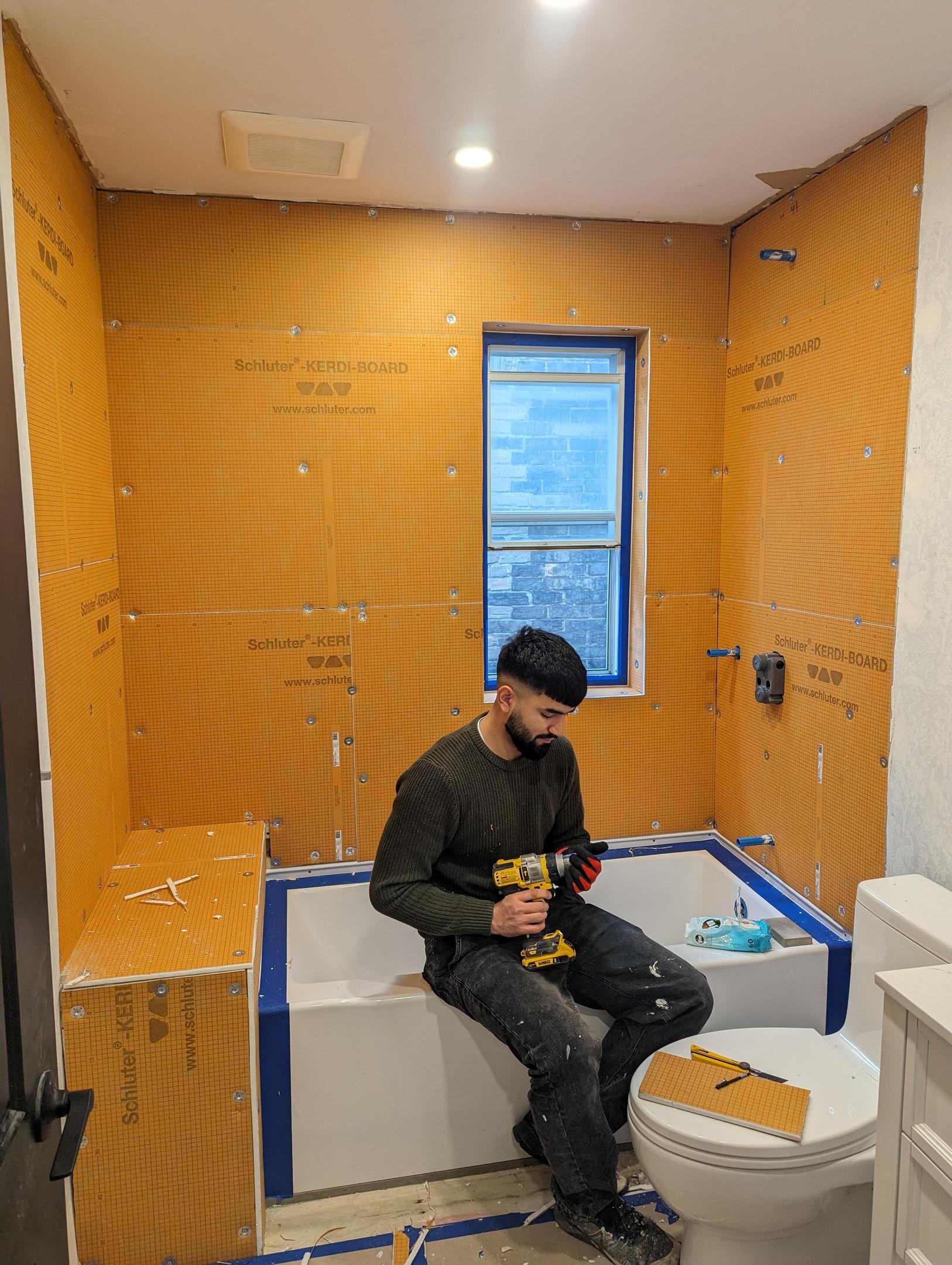
The biggest cost differences usually come from the amount of construction required, the condition of the existing space, and the finishes selected.
Plumbing Costs and Layout Changes
Plumbing relocation is one of the more significant decisions in a bathroom renovation.
If you’re keeping the same bathroom layout, the existing plumbing connections may be reusable, subject to their condition.
Moving the toilet, vanity, or bathtub can require changes to water supply lines, drainage pipes, and connections beneath the floor or behind the walls.
A plumbing rough-in involves installing or preparing these water and drainage connections before the new fixtures and finished surfaces are installed.
A separate shower may also require a new shower drain, properly sloped shower floors, and additional plumbing work.
Before changing the layout, it’s worth considering whether the improvement in comfort and function justifies the additional construction.
Tile Materials and Installation Costs
Tile selection has a major influence on both the appearance and cost of a bathroom.
Ceramic tile and porcelain tile are popular options because they offer a wide range of colours, textures, and finishes.
Natural stone, decorative patterns, large-format tile, and intricate layouts can require additional material preparation and installation time.
Tile installation costs also depend on where the tile will be used.
A bathroom with tile flooring and a small shower surround will require less tilework than one with floor-to-ceiling tiled walls and a large custom shower.
For a complete bathroom, tile installation can represent several thousand dollars of the renovation budget. The actual amount should be calculated from the tile area, material specifications, surface preparation, and labour involved.
Shower Design and Waterproofing
A new shower can become one of the most important features of a renovated bathroom.
Options include traditional shower bases, tiled shower floors, walk-in showers, and custom glass enclosures.
A larger glass enclosure, decorative shower walls, built-in niches, or a curbless shower can create a beautiful result. Each also adds details that need to be considered during planning.
Behind the finished tile, the waterproofing system is just as important as the visible materials.
Waterproofing helps protect the surrounding structure against moisture entering through wet areas. Properly preparing and waterproofing a shower can help prevent costly repairs later.
A good-looking shower should also be built to perform well through years of everyday use.
Labour and Installation Costs
Professional labour represents a substantial portion of most bathroom renovation budgets.
Depending on the project, the work may involve plumbers, electricians, tile installers, carpenters, painters, waterproofing specialists, and other skilled trades.
Current Toronto market guides commonly estimate labour at approximately 40% to 60% of a full bathroom renovation budget, although individual projects vary.
Installation costs may increase when the work involves detailed tile patterns, plumbing relocation, custom cabinetry, or extensive electrical upgrades.
Coordinating these different stages carefully is part of what helps a bathroom renovation move from initial planning to a finished space.
Hidden Bathroom Renovation Costs in Older Toronto Homes
Toronto has many beautiful older homes, and renovating them can involve considerations that aren’t always visible during the initial walkthrough.
This doesn’t mean every older bathroom will have major problems.
It simply means the existing condition of the property deserves attention before finalizing your budget.
Moisture Damage and Subfloor Repairs
Bathrooms are exposed to moisture every day.
Over time, a leaking shower, deteriorated caulking, or damaged waterproofing can allow moisture to reach the materials beneath the finished surfaces.
Once demolition begins, a contractor may discover damaged wallboard, deteriorated wood, or subfloor rot that needs to be addressed before new finishes are installed.
The cost can range from a localized repair to more substantial reconstruction, depending on the damage.
If mould is discovered, the source of moisture must also be addressed. Health Canada’s guidance on moisture and mould in homes emphasizes fixing leaks and improving ventilation to help prevent recurring problems.
These conditions are difficult to price accurately before the affected areas have been examined.
Older Plumbing and Electrical Systems
Some older Toronto homes may contain outdated plumbing materials, including galvanized steel pipes, or older wiring such as knob and tube wiring.
These conditions don’t automatically mean that all of the plumbing or wiring throughout the house must be replaced.
However, their condition, location, and compatibility with the planned work need to be assessed.
If new plumbing supply lines or new electrical circuits are required, the renovation budget may need to accommodate additional work.
This is particularly relevant when renovating an older home that hasn’t had its mechanical systems updated in many years.
How Much Contingency Should You Allow?
For many bathroom renovation projects, setting aside approximately 10% to 20% of the construction budget is a reasonable planning approach.
For homes built before 1980, considering a contingency closer to 15% to 20% may be sensible when the condition of plumbing, electrical systems, or concealed materials is uncertain.
This reserve gives you flexibility if unexpected work becomes necessary.
The aim is not to spend your entire contingency. It’s to have a plan if something important needs attention.
What Makes Condo Bathroom Renovations Different?
A condo bathroom renovation in Toronto may involve similar construction work to a bathroom in a detached home, but the planning process can be different.
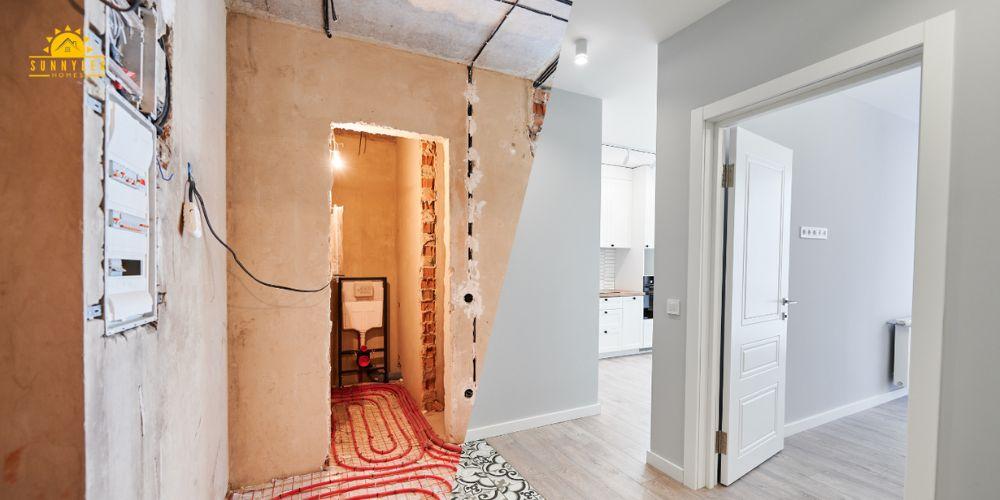
Before work begins, homeowners should review their condominium’s renovation rules and approval requirements.
Depending on the building, condo board approvals or property management requirements may affect:
- Working hours and permitted construction days.
- Contractor insurance and access requirements.
- Elevator reservations and material deliveries.
- Plumbing alterations and work affecting shared systems.
- Debris removal and protection of common areas.
The Condominium Authority of Ontario recommends reviewing the corporation’s governing documents and contacting the board before proceeding with renovations.
Some condo bathrooms also have restrictions that limit how easily toilets, drains, or other fixtures can be moved.
In these spaces, thoughtful planning may be more valuable than making major layout changes.
Improved storage, a well-designed vanity, better lighting, and carefully selected finishes can help a condo bathroom feel more comfortable without unnecessarily changing its footprint.
For more information about the broader process, see Sunnylea Homes’ guide to condo renovations in Toronto.
Do You Need a Bathroom Renovation Permit in Toronto?
Not every bathroom renovation requires a Toronto building permit.
Cosmetic updates and certain fixture replacements generally don’t require one. However, relocating plumbing, making structural changes, or adding a new bathroom may require permits and inspections.
The City of Toronto explains these distinctions in its building permit requirements.
How Much Do Bathroom Renovation Permits Cost?
Permit costs depend on the type of work.
For 2026, the City of Toronto’s official fee schedule lists:
- A minimum building permit fee of $214.79.
- A rate of $11.53 per square metre for certain residential interior alterations.
- Separate fee categories for some plumbing, drainage, and mechanical work.
The $11.53 rate is a service index used in calculating certain permit fees, not a flat charge that applies to every bathroom renovation.
Some projects may have total permit costs in the hundreds of dollars, while others involve additional charges, drawings, or approvals.
You can review the current rates on the City of Toronto’s building permit fees page.
What About the Ontario Building Code and Electrical Work?
Renovation work must meet applicable building and safety requirements.
The Ontario Building Code establishes technical requirements for construction and renovations, including relevant plumbing and building systems.
Electrical work follows separate rules.
The Electrical Safety Authority explains that most electrical work requires a notification, and homeowners hiring someone to complete electrical work must use a Licensed Electrical Contractor.
An electrical notification is not the same as a Toronto building permit. A project may require both.
The Electrical Safety Authority’s notification and inspection guidance explains these requirements.
Reviewing approvals early helps prevent unnecessary interruptions once construction is underway.
How to Plan a Realistic Bathroom Renovation Budget
Before selecting tile colours or deciding on a new bathtub, it’s helpful to consider how you want the finished bathroom to function.
Start with the improvements that matter most.
Perhaps the existing shower feels cramped, the vanity doesn’t provide enough storage, or your family would benefit from better lighting and a more practical layout.
Once these priorities are clear, you can begin allocating your budget.
Choose Where to Invest
Not every finish needs to be the most expensive option.
A stock vanity may work beautifully in one bathroom, while a custom vanity may be worth considering in a space with unusual dimensions or specific storage needs.
Similarly, you might choose durable porcelain tile for most surfaces and reserve premium materials for a smaller feature area.
A separate tub and shower may be a priority in a spacious ensuite, while a compact combination could make more sense in a family bathroom.
A successful design balances the features you enjoy with the space available and the overall investment.
Include Taxes and a Contingency
Remember that your bathroom budget should account for applicable taxes and any additional work that may be required.
For example, imagine you’re planning a $25,000 renovation.
A 15% contingency would add $3,750 to your available construction budget, bringing the preliminary amount to $28,750 before applicable taxes.
This is an illustrative budgeting exercise, not a Sunnylea Homes quote.
Your actual costs will depend on the work being completed, and a contingency is money set aside for possible expenses rather than a guaranteed charge.
Compare Detailed Renovation Quotes
When comparing bathroom renovation quotes, look beyond the final price.
A thorough estimate should explain what is included in the bathroom renovation project.
Review the proposed materials, demolition, plumbing, waterproofing, electrical work, installation, disposal, and finishing details.
It’s also helpful to understand how allowances, changes, and unexpected work will be handled.
Two estimates may look similar at first but include very different materials or levels of work.
Taking the time to compare the actual scope can help you understand the value of each proposal.
For additional budgeting context, Sunnylea Homes’ home renovation cost guide for Toronto explains how bathrooms, kitchens, and other renovation projects contribute to a larger home improvement budget.
Frequently Asked Questions About Bathroom Renovation Costs in Toronto
What is the average bathroom renovation cost in Toronto in 2026?
The average cost for a complete, mid-range bathroom renovation in Toronto is often estimated between $15,000 and $30,000. A smaller cosmetic refresh may cost less, while high-end bathrooms with custom finishes and plumbing changes can exceed $50,000.
Can you renovate a bathroom for $10,000 in Toronto?
A $10,000 budget may be enough for a limited bathroom update or a straightforward powder room renovation. A complete bathroom remodel with new plumbing fixtures, waterproofing, tile, and professional installation often requires a larger budget. The existing condition of the bathroom matters.
How much does it cost to renovate a condo bathroom in Toronto?
A condo bathroom renovation may fall within the same general $15,000 to $30,000 range as a standard bathroom renovation. However, condo board approvals, building access, existing plumbing restrictions, and material selections can affect the total cost.
How long does a typical bathroom renovation take?
Many complete bathroom renovations take approximately three to six weeks of construction, depending on the project scope. Plumbing changes, custom materials, inspections, and unexpected repairs may extend the schedule. Condo approvals and material ordering may also need to be completed before construction begins.
Is it cheaper to keep the same bathroom layout?
Generally, yes. Keeping the toilet, sink, bathtub, and shower in their existing locations can reduce the amount of plumbing relocation and floor or wall preparation required. A layout change may still be worthwhile when it significantly improves the way the bathroom functions.
How much does it cost to add a new basement bathroom?
Adding a bathroom to an unfinished basement can involve new plumbing rough-ins, drainage, ventilation, electrical work, waterproofing, and potentially concrete removal. Because the existing plumbing and floor conditions vary, the cost should be estimated for the specific property rather than assumed to be the same as replacing an existing bathroom.
Is a luxury bathroom renovation worth the extra cost?
That depends on how you use the space and which features improve your everyday comfort. Heated floors, custom storage, a spacious shower, and a freestanding tub may be worthwhile for some homeowners. The best choices are those that suit your home, your needs, and your long-term plans.
Final Thoughts: Creating a Bathroom That Fits Your Home and Budget
Bathroom renovation costs in Toronto can vary considerably, but a well-planned project begins with understanding what matters most to you.
A beautiful bathroom doesn’t necessarily need every luxury feature. It needs a comfortable layout, carefully selected materials, reliable construction, and details that support your daily routine.
By understanding the costs, planning for necessary work, and leaving room for the unexpected, you can approach your renovation with greater confidence.
The result should be a space that feels welcoming, functions beautifully, and continues to serve your home for years to come.